Digital Account Payment Innovations: 2026 US Updates
Anúncios
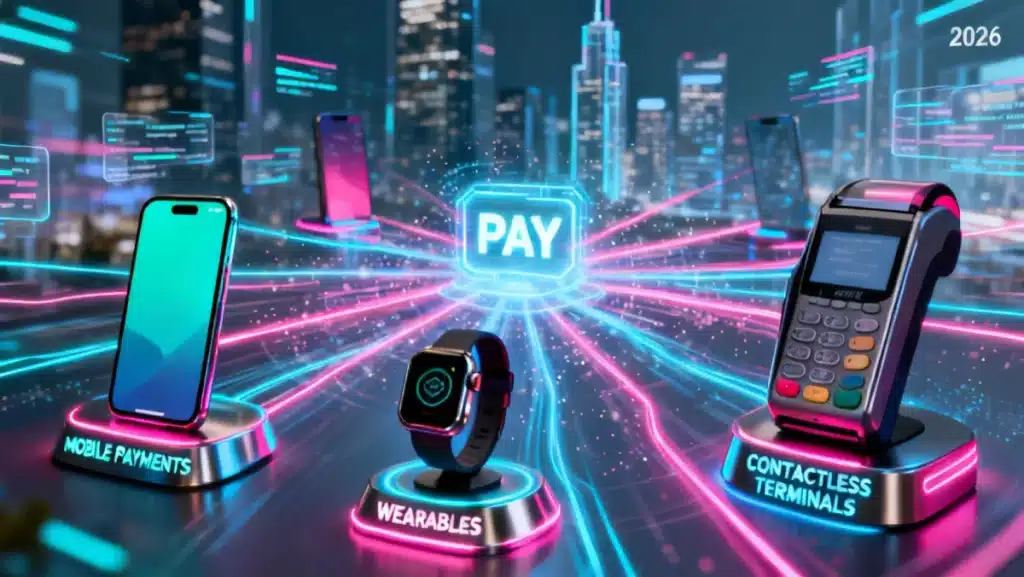
In 2026, digital account innovations in the US are primarily driven by real-time payment systems, advanced AI-powered security protocols, and increasingly personalized financial management tools, fundamentally reshaping consumer banking experiences.
Anúncios
The landscape of personal finance is undergoing a profound transformation, and nowhere is this more evident than in the realm of digital account payment innovations. For US users in 2026, the way we manage, send, and receive money is evolving at an unprecedented pace, driven by technological advancements and shifting consumer expectations. This article delves into the most recent updates and emerging trends that are redefining the digital account experience.
Anúncios
The rise of real-time payments and instant settlements
Real-time payments are no longer a futuristic concept but a burgeoning reality for US consumers and businesses. The ability to send and receive funds instantaneously, 24/7, has become a cornerstone of modern financial transactions, significantly impacting everything from bill payments to peer-to-peer transfers. This shift is driven by both regulatory push and consumer demand for speed and efficiency.
The widespread adoption of real-time payment rails, such as FedNow and existing private networks, is fundamentally altering financial interactions. Users can now conduct transactions that settle in seconds, eliminating the traditional delays associated with ACH or wire transfers. This immediate liquidity provides greater financial flexibility and reduces the need for credit in certain scenarios.
Key drivers of real-time payment adoption
- Consumer demand for speed: Users expect instant gratification in all digital interactions, including payments.
- Business efficiency: Companies can improve cash flow, manage inventory better, and accelerate vendor payments.
- Regulatory support: Initiatives like FedNow are providing the necessary infrastructure and encouragement for broader implementation.
The implications of real-time payments extend beyond mere convenience. They foster a more dynamic economy, enabling quicker responses to market changes and facilitating innovative financial products. As these systems mature, we can anticipate even greater integration with other financial services, creating a truly seamless payment ecosystem.
In conclusion, real-time payments are rapidly becoming the standard for digital accounts in the US. Their growing prevalence is not just about speed, but about fostering a more efficient, responsive, and user-centric financial environment that benefits both individuals and businesses alike.
Enhanced security protocols and biometric authentication
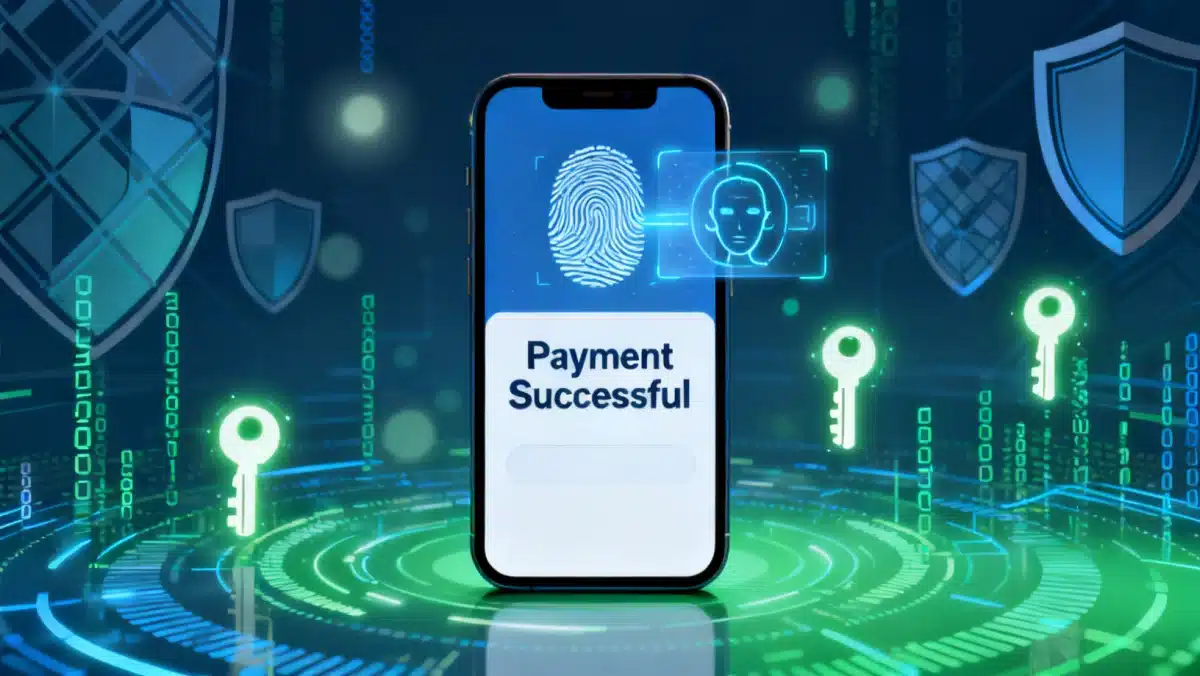
As digital payment methods become more sophisticated, so too must the security measures designed to protect them. In 2026, US users are benefiting from significantly enhanced security protocols that move beyond traditional passwords, offering more robust protection against fraud and unauthorized access. This evolution is crucial for maintaining trust in digital account systems.
Biometric authentication, including fingerprint, facial recognition, and even voice identification, is now a standard feature for many digital accounts. These methods offer a higher level of security and convenience, making it harder for fraudsters to compromise accounts. The integration of advanced encryption techniques and multi-factor authentication (MFA) further reinforces these defenses.
The role of AI and machine learning in fraud detection
Artificial intelligence and machine learning algorithms are at the forefront of combating financial crime. These technologies analyze vast amounts of transaction data in real-time, identifying unusual patterns and potential fraudulent activities with remarkable accuracy. This proactive approach helps to prevent fraud before it can impact users.
- Behavioral analytics: AI learns user spending habits to flag out-of-character transactions.
- Real-time threat assessment: Machine learning models continuously update to detect new fraud vectors.
- Adaptive security: Security measures adjust dynamically based on the perceived risk of a transaction.
Beyond biometrics and AI, distributed ledger technology (DLT) is also being explored for its potential to create immutable and transparent transaction records, adding another layer of security. The combination of these advanced technologies ensures that digital accounts remain a safe and reliable way to manage finances.
Ultimately, the focus on enhanced security protocols and biometric authentication is paramount for the continued success and adoption of digital accounts. These advancements provide users with peace of mind, knowing their financial assets are protected by cutting-edge technology.
Hyper-personalization and AI-driven financial insights
The digital account experience in 2026 is increasingly characterized by hyper-personalization, driven by the intelligent application of artificial intelligence. Financial institutions are leveraging AI to offer tailored advice, customized product recommendations, and proactive insights that help users better manage their money. This moves beyond generic statements to truly individualized financial guidance.
AI algorithms analyze spending patterns, income streams, and financial goals to provide actionable recommendations. This could range from identifying areas where a user can save money to suggesting optimal investment strategies or even alerting them to potential overdrafts before they occur. The goal is to empower users with information that helps them make smarter financial decisions.
Examples of AI-driven personalization
- Personalized budgeting: AI creates dynamic budgets based on actual spending and income.
- Proactive alerts: Notifications about upcoming bills, potential savings, or unusual account activity.
- Tailored product offerings: Recommendations for credit cards, loans, or investment products that align with user profiles.
This level of personalization fosters a deeper relationship between users and their financial providers. It transforms digital accounts from mere transaction platforms into comprehensive financial partners, offering support and guidance that was previously only available through human advisors. The emphasis is on anticipating user needs and providing solutions before they are explicitly requested.
In essence, hyper-personalization powered by AI is making digital accounts more intuitive and helpful. This innovation ensures that financial management is not just convenient but also highly effective and aligned with individual financial aspirations.
The rise of embedded finance and integrated ecosystems
Embedded finance is rapidly transforming how financial services are delivered, seamlessly integrating banking and payment capabilities directly into non-financial platforms and applications. For US users in 2026, this means conducting financial transactions without ever leaving their favorite shopping apps, social media platforms, or even productivity tools. This trend blurs the lines between traditional banking and other digital experiences.
This integration creates a more fluid and convenient user journey. Imagine purchasing a product online and having the payment, financing, and even insurance options presented directly within the merchant’s checkout process. This reduces friction and enhances the overall customer experience, making financial services an invisible, yet integral, part of daily digital life.
Benefits of integrated financial ecosystems
- Seamless user experience: Financial services are available where and when they are needed most.
- Increased convenience: No need to switch between multiple apps or platforms to complete a transaction.
- New revenue streams: Non-financial companies can offer financial products, expanding their service offerings.
The growth of integrated ecosystems also extends to open banking initiatives, where secure data sharing between financial institutions and third-party providers allows for a more holistic view of a user’s financial health. This collaboration fosters innovation and drives the development of new, value-added services.
Ultimately, embedded finance and integrated ecosystems are creating a future where financial services are ubiquitous and contextually relevant. This represents a significant leap forward in making digital accounts more accessible and part of a broader, interconnected digital lifestyle for US users.
The impact of blockchain and stablecoins on digital payments
While still in nascent stages for mainstream adoption, blockchain technology and stablecoins are beginning to exert a noticeable influence on digital account payments for US users in 2026. These innovations promise to introduce new levels of transparency, efficiency, and potentially lower transaction costs, particularly for cross-border payments.
Stablecoins, digital currencies pegged to stable assets like the US dollar, offer the benefits of blockchain’s speed and security without the volatility typically associated with other cryptocurrencies. They are increasingly being explored by financial institutions for instant settlement and programmatic payments, offering an alternative to traditional payment rails for specific use cases.
Potential applications of blockchain in digital accounts
- Faster cross-border transactions: Reducing intermediaries and settlement times for international payments.
- Enhanced transparency: Immutable ledger provides clear audit trails for all transactions.
- Programmable money: Smart contracts allow for automated, condition-based payments.
Regulatory clarity remains a key factor for the widespread adoption of blockchain and stablecoins in the US financial system. However, ongoing pilot programs and increasing collaboration between traditional finance and blockchain innovators suggest a future where these technologies play a more significant role in the underlying infrastructure of digital accounts.
In summary, blockchain and stablecoins are emerging as powerful tools with the potential to revolutionize certain aspects of digital account payments, offering benefits that complement and enhance existing systems, particularly in areas requiring high transparency and efficiency.
Sustainable and ethical banking practices in digital accounts
Beyond technological advancements, 2026 also sees a growing emphasis on sustainable and ethical banking practices integrated into digital accounts. US users are increasingly seeking financial institutions that align with their values, leading to a demand for transparency regarding environmental, social, and governance (ESG) factors in banking operations and investment choices.
Digital account providers are responding by offering features that allow users to track the environmental impact of their spending, invest in socially responsible funds directly through their banking app, or even contribute to charitable causes with ease. This trend reflects a broader societal shift towards conscious consumerism and ethical financial management.
Features promoting sustainable finance
- Carbon footprint trackers: Tools that estimate the CO2 emissions associated with purchases.
- Green investment options: Easy access to funds focused on renewable energy, sustainable agriculture, etc.
- Ethical spending insights: Information on how businesses align with social and environmental standards.
Furthermore, digital-first banks often operate with lower overheads and a reduced physical footprint, inherently contributing to more sustainable practices. They are also leading the way in promoting financial inclusion by leveraging technology to serve underserved communities and provide access to essential banking services.
Overall, the integration of sustainable and ethical banking practices into digital accounts signifies a maturing financial landscape where technology is harnessed not just for efficiency, but also for positive societal and environmental impact, catering to the evolving values of US consumers.
| Key Innovation | Brief Description |
|---|---|
| Real-Time Payments | Instant fund transfers 24/7, enhancing liquidity and efficiency for users. |
| Enhanced Security | Biometrics, AI-driven fraud detection, and advanced encryption protect accounts. |
| Hyper-Personalization | AI provides tailored financial advice, budgeting, and product recommendations. |
| Embedded Finance | Financial services integrated seamlessly into non-financial apps and platforms. |
Frequently asked questions about digital account innovations
Real-time payments allow for immediate transfer and settlement of funds, 24/7, directly between bank accounts. For US users in 2026, this means instant access to received funds, quicker bill payments, and enhanced cash flow management, eliminating traditional delays associated with older payment methods.
AI significantly enhances digital account security by analyzing vast transaction data in real-time to detect and prevent fraudulent activities. It uses behavioral analytics to identify unusual spending patterns and continuously adapts to new threats, complementing biometric authentication and multi-factor security protocols for robust protection.
Hyper-personalization in digital accounts refers to AI-driven features that offer tailored financial advice, budgeting tools, and product recommendations based on a user’s individual spending habits, income, and financial goals. This creates a more customized and proactive financial management experience, moving beyond generic insights.
Embedded finance integrates banking and payment services directly into non-financial applications, allowing users to complete transactions without leaving, for example, a shopping app. This creates a seamless and highly convenient user experience, making financial services an invisible yet integral part of everyday digital interactions and purchases.
While not yet fully mainstream for everyday transactions, stablecoins are gaining relevance in 2026, particularly for faster cross-border payments and programmatic transactions. Their stability, pegged to traditional currencies like the US dollar, combined with blockchain’s efficiency, positions them as a growing alternative to conventional payment rails, especially for specific use cases.
Conclusion
The year 2026 marks a pivotal moment for digital account payment innovations in the US, characterized by an accelerated pace of change and a clear focus on user-centric design. From the ubiquity of real-time payments and the impenetrable fortresses of AI-powered security to the deeply personalized financial guidance and the seamless integration of embedded finance, the future of digital banking is here. These advancements are not merely incremental improvements; they represent a fundamental reshaping of how US consumers interact with their money, promising greater efficiency, security, and a more intuitive financial experience than ever before. As these trends continue to evolve, staying informed will be key to leveraging the full potential of your digital accounts.
