Late Payment Fees on U.S. Credit Cards in 2026: Avoid $40 Charges
Anúncios
Late payment fees on U.S. credit cards in 2026 typically range up to $40, but can be avoided through proactive payment management and understanding cardholder agreements.
Anúncios
Navigating the complexities of credit card agreements can be daunting, especially when unexpected charges like credit card late fees surface. In 2026, understanding these fees and, more importantly, how to avoid them, is crucial for maintaining financial health in the United States. This article delves into the typical charges you might face and offers actionable strategies to keep your finances on track.
Anúncios
Understanding Credit Card Late Fees in 2026
As we move further into 2026, the landscape of credit card regulations and fees continues to evolve, but the fundamental principle of late payment penalties remains. These fees are a significant revenue source for card issuers and a costly oversight for consumers. Typically, a late payment fee is assessed when your minimum payment is not received by the due date.
The exact amount of a late fee can vary based on the card issuer and the specifics of your cardholder agreement. However, there’s a general ceiling set by federal regulations, which influences the typical charges seen across the industry. Understanding these parameters is the first step towards managing your credit card obligations effectively.
Regulatory Framework and Fee Caps
Federal regulations, primarily the CARD Act of 2009, have placed limits on how much credit card companies can charge for late payments. While these caps adjust periodically for inflation, they generally aim to prevent exorbitant charges. For 2026, typical late payment fees often hover around the $40 mark for subsequent offenses, though initial late payments might incur a slightly lower charge. It’s vital to check your specific cardholder agreement for the most accurate information.
- First-time late payment: Often a lower fee, around $30.
- Subsequent late payments within six months: Can escalate to the maximum allowed, often around $40.
- Impact on credit score: Beyond fees, late payments can severely damage your credit score.
These fees are not just a one-time charge; they can accumulate if you repeatedly miss payment deadlines. Furthermore, a late payment can trigger a penalty APR, which means your interest rate on new purchases could significantly increase. This dual impact of fees and higher interest rates underscores the importance of timely payments.
Typical Charges and How They’re Calculated
The exact late payment fee you might incur in 2026 is often a tiered system, depending on whether it’s your first offense or a recurring issue. Most major U.S. credit card issuers adhere to federal guidelines that cap these fees, but they also have some discretion within those limits. This means a $40 charge is a common benchmark for late payments, especially if you’ve missed payments before.
Credit card companies generally calculate late fees based on the outstanding balance or a flat rate. While the flat rate is more common for consumer credit cards, understanding how these calculations work can help you anticipate potential costs. It’s also worth noting that if your minimum payment is very small, the late fee might be capped at the amount of the minimum payment itself, preventing the fee from exceeding the payment due.
Factors Influencing Late Fee Amounts
Several elements play into the final late fee amount. These include the specific card product, your payment history, and the state’s regulatory environment, although federal laws provide a strong overarching framework. Some premium cards might have different fee structures, so reading the fine print is always recommended.
- Card type: Rewards cards or premium cards might have different fee policies.
- Payment history: Repeat offenders often face higher fees.
- Outstanding balance: Sometimes, fees are a percentage of the balance, though flat fees are more common.
It’s not just about the monetary charge; a late payment can also lead to a higher annual percentage rate (APR). This ‘penalty APR’ can be significantly higher than your standard rate and can apply to all new purchases, and sometimes even existing balances, making future repayments more expensive. This is why even a single late payment can have a cascading effect on your financial health.
The Broader Impact of Late Payments Beyond Fees
While the immediate sting of a $40 late payment fee is undeniable, the long-term consequences of missed payments are far more significant. A single late payment can initiate a ripple effect that impacts your financial standing for years to come. Understanding these broader implications is crucial for motivating consistent, on-time payments.
The most substantial impact is on your credit score. Payment history accounts for a significant portion of your FICO score, often around 35%. A late payment, especially if it’s 30 days or more overdue, will be reported to the major credit bureaus and can cause a substantial drop in your score. This drop can make it harder to secure future loans, mortgages, or even rent an apartment.
Credit Score Deterioration and Future Borrowing
A damaged credit score doesn’t just affect your ability to borrow; it also influences the interest rates you’ll be offered. Lenders view individuals with a history of late payments as higher risk, leading to less favorable terms. This means higher interest rates on future loans, potentially costing you thousands of dollars over the life of a mortgage or car loan. It’s a penalty that extends far beyond the initial late fee.
- Reduced creditworthiness: Makes it harder to get approved for new credit.
- Higher interest rates: Future loans and credit cards will be more expensive.
- Limited financial opportunities: Can affect housing, insurance premiums, and even employment.
Moreover, late payments can also lead to the cancellation of introductory offers, such as 0% APR periods or bonus rewards. Card issuers may revoke these benefits if you fail to meet your payment obligations. This means you could lose out on valuable savings or rewards, adding another layer of financial setback to an already difficult situation.
Proactive Strategies to Avoid Late Payment Fees
Avoiding credit card late fees is entirely within your control and primarily involves establishing robust payment habits and utilizing available tools. In 2026, with the array of digital financial management options, there’s no reason to fall prey to these avoidable charges. The key is to be proactive rather than reactive, setting up systems that ensure you never miss a due date again.
One of the simplest yet most effective strategies is to set up automatic payments. This ensures that at least the minimum payment is made on time, every time. While paying only the minimum isn’t ideal for debt reduction, it guarantees you avoid the late fee and the associated credit score damage. You can usually configure automatic payments through your card issuer’s online portal.
Leveraging Technology for Payment Reminders
Beyond automatic payments, technology offers numerous ways to stay on top of your bills. Many credit card companies provide email or text message alerts leading up to your due date. Utilizing these free services can provide a crucial reminder, especially if your due dates vary across multiple cards. Setting up calendar reminders on your phone or computer is another simple yet powerful tool.
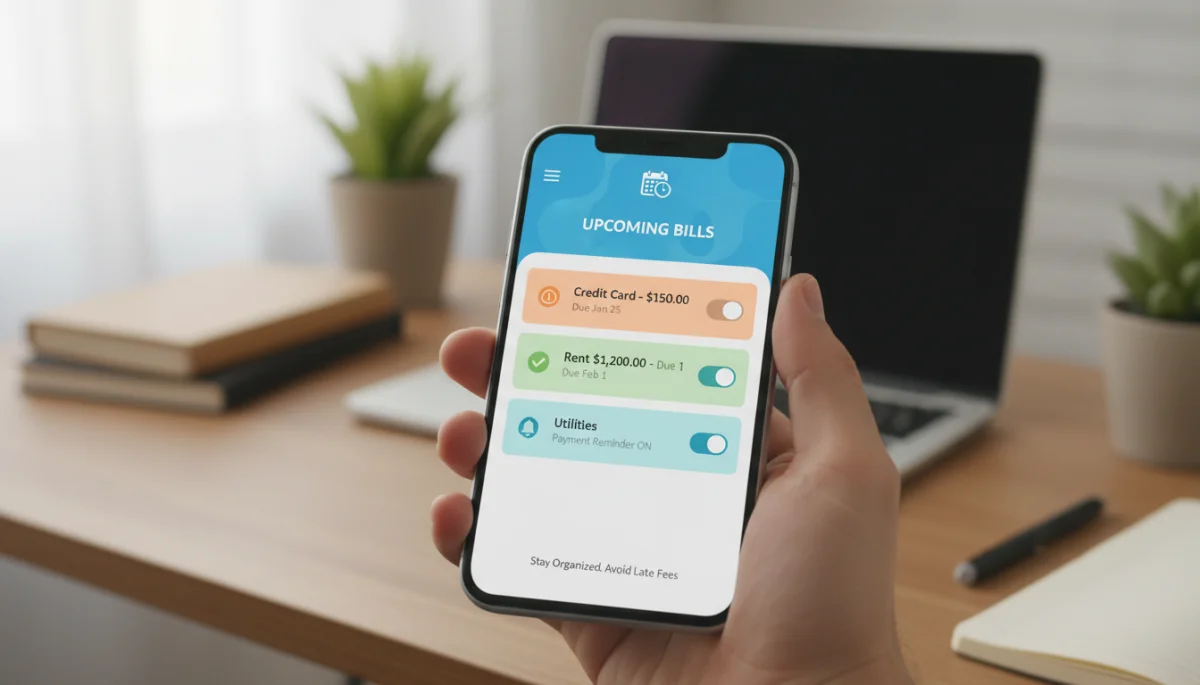
The ubiquity of smartphones and financial apps means you can receive timely notifications directly to your device. These apps can consolidate all your bills and provide a clear overview of upcoming payments, helping you manage your finances holistically. This integrated approach minimizes the chances of any payment slipping through the cracks.
- Automated payments: Set up minimum or full payments to be processed automatically.
- Payment alerts: Utilize email, text, or app notifications from your card issuer.
- Calendar reminders: Manually add due dates to your digital calendar.
Another smart strategy is to align your payment due dates with your paydays. Contact your credit card issuer to see if they can adjust your due date to a more convenient time, such as a few days after you receive your salary. This ensures you have funds readily available when payments are due, reducing the risk of accidental late payments due to insufficient funds.
Negotiating and Waiving Late Fees
Even with the best intentions, sometimes life happens, and a late payment can occur. While it’s not guaranteed, credit card issuers may be willing to waive a late fee, especially if you have a good payment history. It’s always worth making a phone call to your card issuer to explain your situation. Politeness and a clear explanation can go a long way.
When you call, emphasize your consistent payment history and express your commitment to making future payments on time. If it’s your first late payment, you have a stronger case for getting the fee waived. Many companies offer a ‘one-time courtesy’ waiver for loyal customers. Be prepared to discuss why the payment was late and what steps you’ve taken to prevent it from happening again.
Tips for Successful Negotiation
Before you call, gather all relevant information, including your account number, the payment due date, and the date you actually made the payment. This preparation will make the conversation more efficient and demonstrate your seriousness. Remember, the goal is to show you are a responsible customer who simply had an isolated incident.
- Be polite and respectful: A positive attitude can make a difference.
- Highlight good payment history: Mention your consistent on-time payments.
- Explain the reason: Briefly and honestly state why the payment was late.
If the first representative you speak with is unable to help, politely ask to speak with a supervisor. Sometimes, a higher-level representative has more authority to waive fees. Even if they can’t waive the fee entirely, they might offer other solutions, such as a temporary reduction in your interest rate or a payment plan. The key is to communicate and explore all possible avenues.
Maintaining Financial Health in 2026
Beyond avoiding individual late payment fees, the broader goal is to cultivate a robust financial health strategy that protects you from such pitfalls. In 2026, financial literacy and proactive management are more important than ever. A holistic approach to your credit cards involves not just paying on time, but also understanding your spending, managing your credit utilization, and regularly reviewing your statements.
Regularly reviewing your credit card statements helps you catch errors, identify fraudulent activity, and keep track of your spending. This practice can also serve as a reminder of upcoming due dates and help you plan your payments effectively. It’s a fundamental aspect of staying informed and in control of your financial obligations.
Budgeting and Debt Management
Effective budgeting is the cornerstone of avoiding late payments. By creating a detailed budget, you can allocate funds for your credit card payments and ensure you have sufficient money available when due dates arrive. This prevents situations where you might be forced to choose between paying your credit card and covering other essential expenses.
- Create a detailed budget: Track income and expenses to ensure funds are available.
- Monitor credit utilization: Keep balances low relative to your credit limits.
- Regularly review statements: Check for errors and track spending.
Consider consolidating high-interest debt or exploring balance transfer options if you find yourself struggling with multiple credit card payments. While these strategies require careful consideration, they can simplify your payment schedule and potentially reduce your overall interest burden, making it easier to manage your finances and avoid future late fees. The goal is to create a sustainable financial plan.
| Key Point | Brief Description |
|---|---|
| Typical Fees | U.S. credit card late fees in 2026 are often around $40 for repeat offenses. |
| Credit Score Impact | Late payments severely damage credit scores, affecting future borrowing. |
| Prevention Strategies | Automated payments, reminders, and budgeting are key to avoiding fees. |
| Negotiating Fees | Contacting your issuer, especially for a first offense, may lead to fee waivers. |
Frequently Asked Questions About Late Credit Card Payments
In 2026, typical late payment fees for U.S. credit cards can range up to approximately $40 for subsequent offenses. First-time late payments might incur a slightly lower fee, often around $30, though this varies by card issuer and specific cardholder agreements.
A late payment can remain on your credit report for up to seven years from the date of the missed payment. Its impact on your credit score diminishes over time, but it remains visible and can affect your ability to secure new credit or favorable interest rates.
Yes, a late payment can trigger a ‘penalty APR’ on your credit card. This means your interest rate on new purchases, and sometimes even existing balances, can significantly increase, making future repayments more expensive and accumulating more debt over time.
Yes, it is often possible to get a late fee waived, especially if it’s your first offense and you have a good payment history. Contact your credit card issuer, politely explain the situation, and emphasize your commitment to timely payments. Many companies offer a one-time courtesy waiver.
The best ways to avoid future late fees include setting up automatic payments, utilizing payment reminders (email, text, or calendar alerts), aligning due dates with paydays, and maintaining a consistent budget. Proactive financial management is key to preventing these avoidable charges.
Conclusion
Avoiding credit card late fees in 2026 is a critical component of sound financial management. While typical charges hover around $40, the ripple effects on your credit score and future borrowing capabilities can be far more costly. By implementing proactive strategies such as automated payments, leveraging technology for reminders, and understanding your cardholder agreement, you can effectively sidestep these penalties. Should a late payment occur, don’t hesitate to communicate with your card issuer, as a polite negotiation can often lead to a fee waiver. Ultimately, consistent vigilance and responsible financial habits are your best defense against late payment fees and the foundation for robust financial health.
