FTC Cracks Down: Predatory Lending Practices in Q2 2026
Anúncios
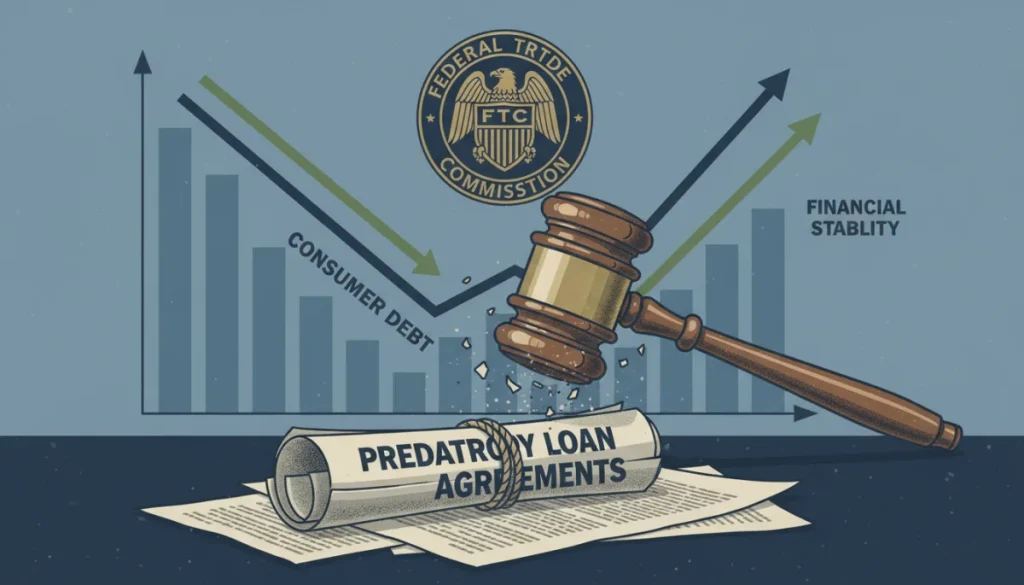
The Federal Trade Commission is actively cracking down on predatory lending practices in Q2 2026, enhancing consumer protection through robust enforcement and new regulatory measures.
Anúncios
The financial landscape is ever-evolving, and with it, the need for stringent oversight. The Federal Trade Commission Cracks Down on Predatory Lending Practices in Q2 2026 marks a significant moment for consumer protection, signaling a renewed commitment to safeguarding individuals from exploitative financial schemes.
Anúncios
Understanding the FTC’s renewed focus
The Federal Trade Commission (FTC) has a long-standing mandate to protect consumers from unfair and deceptive business practices. In Q2 2026, this mandate has been amplified, particularly concerning predatory lending. This renewed focus comes in response to evolving market dynamics and persistent issues that continue to harm vulnerable populations across the United States.
Predatory lending, characterized by unfair, deceptive, or abusive loan terms, often targets individuals with limited financial literacy or urgent cash needs. These practices can lead to a cycle of debt that is incredibly difficult to escape, undermining financial stability and trust in the financial system. The FTC’s intensified efforts are designed to disrupt these harmful cycles and ensure a fairer marketplace for all.
Defining predatory lending practices
It’s crucial to understand what constitutes predatory lending. These are not merely high-interest loans; they involve elements of deception, coercion, or the exploitation of a borrower’s vulnerability. Common tactics include:
- Excessive interest rates and fees that disproportionately burden borrowers.
- Hidden clauses or complex terms designed to confuse or mislead.
- Aggressive collection tactics that violate consumer rights.
- Loans structured to fail, leading to repossessions or further debt.
The FTC’s enforcement actions are specifically targeting these manipulative strategies, ensuring that lenders operate with transparency and integrity. This proactive stance aims to prevent harm before it becomes widespread, rather than merely reacting to complaints after the damage is done.
The current environment of increased economic uncertainty has unfortunately created fertile ground for predatory lenders. Many individuals, facing unexpected expenses or income disruptions, may turn to quick-fix loans without fully understanding the long-term implications. The FTC’s crackdown is a vital intervention, providing a necessary shield for consumers navigating complex financial decisions.
Key enforcement actions and regulatory updates
The second quarter of 2026 has seen a surge in enforcement activities by the FTC, alongside the introduction of several critical regulatory updates. These actions are not isolated incidents but part of a coordinated strategy to fortify consumer defenses against predatory lending. The commission is leveraging its full authority to investigate, prosecute, and impose significant penalties on offenders.
One of the notable developments is the increased collaboration between the FTC and state-level regulatory bodies. This synergy allows for a more comprehensive approach to identifying and addressing predatory practices, as state agencies often have closer ties to local communities and specific market intelligence. This multi-jurisdictional cooperation is proving highly effective in dismantling widespread schemes.
New rules for transparency and disclosure
Among the regulatory updates, a significant focus has been placed on enhancing transparency and disclosure requirements for lenders. New rules mandate clearer presentation of loan terms, including:
- Simplified language for all contractual agreements.
- Prominent display of annual percentage rates (APRs) and total cost of borrowing.
- Mandatory disclosure of all fees upfront, without hidden charges.
- Clear explanations of repayment schedules and penalties for late payments.
These measures aim to empower consumers with the information needed to make informed decisions, reducing the likelihood of falling prey to deceptive tactics. The FTC is also exploring digital tools to help consumers easily compare loan offers and identify potential red flags.

Furthermore, the FTC is actively monitoring online lending platforms, which have become a common avenue for predatory practices. The anonymity and reach of the internet can sometimes facilitate illicit operations, but the commission is adapting its investigative techniques to track and prosecute these digital offenders effectively. This includes working with internet service providers and social media platforms to identify and remove deceptive advertisements.
The enforcement actions also include significant financial penalties and injunctions against companies found guilty of predatory lending. These penalties are designed not only to punish past transgressions but also to deter future misconduct, sending a clear message that such practices will not be tolerated.
Impact on lenders and the financial industry
The intensified crackdown by the FTC is sending ripples throughout the lending and financial industries. Legitimate lenders are being urged to review their practices to ensure full compliance, while those engaging in predatory behavior are facing severe repercussions. This regulatory pressure is fostering a more responsible lending environment, albeit with some initial adjustments for businesses.
For ethical lenders, the changes mean a reinforced commitment to fair dealing and transparent operations. Many are proactively implementing stricter internal controls and training programs for their staff to ensure adherence to the new guidelines. This can lead to increased operational costs in the short term, but it ultimately builds greater consumer trust and a more sustainable business model.
Challenges for non-compliant entities
Non-compliant entities, on the other hand, are encountering significant challenges. The FTC’s investigations are thorough, often involving extensive data analysis and consumer testimonials. Companies found in violation face a range of penalties, from hefty fines to forced cessation of operations. This is a stark reminder that regulatory evasion is not a viable long-term strategy.
- Increased legal expenses due to investigations and lawsuits.
- Reputational damage that can be difficult to recover from.
- Loss of licenses and ability to operate in certain states.
- Potential criminal charges for egregious violations.
The crackdown also encourages a shift towards more ethical product development. Lenders are being pushed to create financial products that genuinely serve consumer needs rather than exploiting vulnerabilities. This could lead to a more diverse and equitable range of credit options becoming available in the market, benefiting a wider array of consumers.
The financial industry is adapting, albeit sometimes reluctantly, to a landscape where consumer protection is paramount. This shift is not just about avoiding penalties; it’s about recognizing the long-term benefits of a trustworthy and fair financial ecosystem. The FTC’s actions are helping to shape this future, promoting a healthier balance between profit motives and consumer welfare.
Consumer protection and empowerment initiatives
Beyond enforcement, the FTC is actively engaged in initiatives aimed at empowering consumers and enhancing their protection against predatory lending. Education and awareness campaigns are central to these efforts, arming individuals with the knowledge and tools needed to identify and avoid predatory schemes.
These initiatives are designed to reach a broad audience, including those in underserved communities who are often disproportionately targeted by predatory lenders. The FTC is collaborating with community organizations, financial literacy experts, and educational institutions to disseminate vital information through various channels, both online and offline.
Educational resources and tools
The commission is developing and promoting a suite of educational resources, including:
- Online guides and brochures explaining common predatory tactics.
- Interactive tools to compare loan offers and calculate true costs.
- Workshops and webinars on financial literacy and smart borrowing.
- Hotlines and online portals for reporting suspicious lending practices.
These resources are not just about warning consumers; they are about providing practical advice and strategies for managing personal finances responsibly. The goal is to build resilience against financial exploitation by fostering greater financial independence and informed decision-making.
Another key aspect of empowerment is the ease with which consumers can report predatory practices. The FTC has streamlined its complaint process, making it more accessible and user-friendly. Every complaint contributes to the commission’s intelligence, helping to identify patterns and target enforcement actions more effectively.
The FTC also emphasizes the importance of understanding one’s rights as a borrower. Consumers have legal protections against harassment, deceptive advertising, and unfair contract terms. Knowing these rights is the first step towards advocating for oneself and seeking redress when necessary. The commission’s website provides comprehensive information on these legal safeguards, empowering individuals to stand up against exploitation.
Ultimately, these consumer protection and empowerment initiatives are about creating a more level playing field. By educating and equipping consumers, the FTC is working to reduce the vulnerability that predatory lenders often exploit, leading to a more secure and equitable financial environment for everyone.
Challenges and future outlook for the FTC
While the FTC’s crackdown on predatory lending in Q2 2026 has shown significant progress, the commission faces ongoing challenges and must continually adapt its strategies. The nature of predatory lending is dynamic, with new schemes and technologies constantly emerging. This requires a vigilant and proactive approach to stay ahead of illicit activities.
One of the primary challenges is the sheer volume and complexity of financial transactions in the modern economy. Predatory lenders often operate across state lines and even international borders, making jurisdiction and enforcement more intricate. The FTC must continually refine its investigative capabilities and forge new partnerships to tackle these transnational operations effectively.
Adapting to technological advancements
The rapid pace of technological innovation presents both opportunities and challenges. While technology can be used to enhance consumer protection through better data analysis and educational tools, it also provides new avenues for predatory lenders to operate. The rise of fintech and decentralized finance, for example, introduces new complexities that require careful regulatory consideration.
- Monitoring AI-driven lending models for bias and fairness.
- Regulating cryptocurrency-based lending to prevent new forms of fraud.
- Ensuring data privacy and security in digital lending platforms.
- Developing rapid response mechanisms for emerging online scams.
The FTC’s future outlook involves a continued commitment to robust enforcement, coupled with a flexible and adaptive regulatory framework. This means staying abreast of technological trends, anticipating new forms of predatory behavior, and continuously updating policies to reflect the evolving financial landscape. The commission is also exploring greater use of predictive analytics and machine learning to identify potential risks before they manifest as widespread consumer harm.
Furthermore, maintaining adequate resources and staffing is crucial for the FTC to sustain its efforts. The fight against predatory lending is resource-intensive, requiring specialized expertise in law, finance, and technology. Continued governmental support and investment in the commission’s capabilities will be vital for its long-term success in protecting American consumers.
The FTC’s role is not just reactive; it is increasingly about shaping a future financial environment where ethical lending is the norm, and consumers are protected by strong, adaptable safeguards. This ongoing commitment is essential for fostering trust and stability in the U.S. financial system.
How consumers can protect themselves
In light of the FTC’s intensified crackdown, it’s more important than ever for consumers to take proactive steps to protect themselves from predatory lending practices. While regulatory bodies are working diligently, individual vigilance remains a powerful defense. Empowering yourself with knowledge and employing smart financial habits can significantly reduce your risk.
One of the most fundamental steps is to thoroughly research any lender before committing to a loan. Don’t rush into agreements, especially if you feel pressured. Check the lender’s reputation, read reviews, and verify their licensing with relevant state authorities. A legitimate lender will always be transparent and willing to answer all your questions.
Key strategies for financial self-defense
- Read all loan documents carefully: Pay close attention to interest rates, fees, repayment schedules, and any clauses regarding late payments or default. If something is unclear, ask for clarification.
- Avoid upfront fees for loans: Legitimate lenders typically deduct fees from the loan amount or incorporate them into the repayment schedule, rather than demanding them before approval.
- Beware of too-good-to-be-true offers: If a loan offer seems unusually easy to get or has terms that seem overly generous, it could be a red flag for predatory practices.
- Understand your credit score: A good credit score can open doors to better loan terms, reducing your vulnerability to high-interest predatory loans. Work on improving your credit if needed.
- Seek advice from trusted sources: If you’re unsure about a loan offer, consult with a non-profit credit counselor or a financial advisor. They can provide unbiased guidance.
Another crucial aspect of self-protection involves maintaining a healthy emergency fund. Having readily available savings can prevent you from needing to resort to high-cost, short-term loans when unexpected expenses arise. Even small, consistent contributions to a savings account can make a significant difference over time.
If you suspect you have been a victim of predatory lending, don’t hesitate to report it. Contact the FTC directly through their website or consumer complaint hotline. Your report not only helps you but also contributes to the commission’s efforts to identify and prosecute predatory lenders, protecting others from similar harm.
By adopting these proactive measures, consumers can significantly enhance their financial resilience and navigate the lending landscape with greater confidence, effectively complementing the FTC’s ongoing efforts to curb predatory practices.
| Key Aspect | Brief Description |
|---|---|
| FTC Crackdown | Intensified enforcement actions against predatory lenders in Q2 2026. |
| Regulatory Updates | New rules for transparency and disclosure to protect consumers. |
| Consumer Empowerment | Educational initiatives and tools to help consumers identify and avoid predatory loans. |
| Industry Impact | Fostering a more responsible lending environment through strict penalties and compliance. |
Frequently asked questions about predatory lending
Predatory lending involves unfair, deceptive, or abusive loan terms that exploit borrowers. This includes excessively high interest rates, hidden fees, misleading clauses, and aggressive collection tactics, often targeting vulnerable individuals with limited financial knowledge or urgent cash needs.
Look for red flags like unusually high interest rates, vague or complex terms, pressure to sign quickly, and demands for upfront fees. Legitimate lenders are transparent and provide clear explanations of all loan details without undue pressure or hidden costs.
The FTC is intensifying enforcement actions, implementing stricter transparency rules, collaborating with state agencies, and developing educational resources. Their goal is to investigate, prosecute, and penalize offenders while empowering consumers to make informed financial decisions and avoid exploitation.
You have legal protections against deceptive advertising, harassment, and unfair contract terms. You can report predatory practices to the FTC, seek advice from a credit counselor, and potentially pursue legal action to recover damages or invalidate unfair loan agreements.
Research lenders thoroughly, read all loan documents carefully, avoid upfront fees, be wary of offers that seem too good to be true, and understand your credit score. Building an emergency fund and seeking advice from trusted financial professionals are also crucial steps.
Conclusion
The Federal Trade Commission Cracks Down on Predatory Lending Practices in Q2 2026 signifies a critical juncture in consumer protection. Through robust enforcement, enhanced regulations, and comprehensive consumer empowerment initiatives, the FTC is actively working to dismantle exploitative financial schemes and foster a more equitable lending landscape. While the challenges are ongoing, the commission’s proactive stance, coupled with informed consumer vigilance, promises a future where financial stability is safeguarded against predatory threats, ensuring a fairer and more transparent financial environment for all Americans.
