Digital Account Fraud Prevention 2026: New Scams & Updates
Anúncios
Effective digital account fraud prevention in 2026 necessitates continuous adaptation to sophisticated new scams and recent technological updates to secure personal and financial data.
Anúncios
As we navigate 2026, the landscape of digital finance is constantly evolving, bringing with it both innovation and increased risk. Protecting your digital accounts has never been more critical, with new and increasingly sophisticated scams emerging regularly. This article will delve into the latest threats and provide essential strategies for robust digital account fraud prevention, ensuring your financial well-being in an interconnected world.
Anúncios
Understanding the evolving threat landscape in 2026
The digital world of 2026 is characterized by rapid technological advancements, which unfortunately also fuel the ingenuity of fraudsters. Cybercriminals are continuously refining their tactics, making traditional security measures less effective. Understanding these evolving threats is the first step in building a resilient defense against digital account fraud.
Fraudsters are leveraging artificial intelligence (AI) and machine learning to create highly convincing phishing attacks, deepfake videos for identity theft, and automated systems to breach security protocols. The sheer volume and sophistication of these attacks demand a proactive and adaptive approach to security from both individuals and financial institutions.
AI-powered phishing and social engineering
One of the most significant advancements in fraud is the use of AI to craft personalized and highly persuasive phishing emails and messages. These are no longer generic attempts; AI can analyze public data to tailor messages that exploit individual vulnerabilities, making them incredibly difficult to distinguish from legitimate communications.
- Personalized attacks: AI analyzes social media and public records to create highly specific and believable narratives.
- Voice and video deepfakes: Fraudsters use AI to generate realistic voice and video clones of trusted individuals, often targeting corporate executives or family members for urgent money transfers.
- Automated scam campaigns: AI-driven bots can launch large-scale, multi-channel scam campaigns, overwhelming traditional detection systems.
The emotional manipulation employed in these scams is potent, often preying on fear, urgency, or the promise of significant financial gain. Users must develop a critical eye and verify all suspicious requests through independent channels, regardless of how convincing they appear.
Furthermore, the rise of quantum computing, while still in its nascent stages for widespread application, poses a potential future threat to current encryption standards. While not an immediate concern for 2026, financial institutions are already exploring quantum-resistant cryptographic solutions to safeguard data against future breaches. This foresight highlights the relentless pace of technological competition between security experts and cybercriminals.
New scam methodologies and tactics to watch out for
Beyond AI, fraudsters are exploring novel ways to exploit vulnerabilities in digital account systems and human behavior. Staying informed about these specific scam methodologies is crucial for effective digital account fraud prevention.
These new tactics often combine technological exploitation with psychological manipulation, making them particularly insidious. Awareness is your strongest shield against these rapidly evolving threats.
QR code phishing (Quishing)
QR codes have become ubiquitous, but they also present a new attack vector. Fraudsters embed malicious URLs into QR codes, often placed on legitimate-looking documents or public posters. Scanning these codes can lead to fake login pages or malware downloads, compromising your account credentials.
- Malicious QR codes: Scammers replace legitimate QR codes with their own, leading to phishing sites.
- Physical tampering: Fake QR stickers are placed over real ones in public places, like parking meters or restaurant menus.
- Email and message embedded QR codes: Users are prompted to scan codes within emails or messages, bypassing traditional link filters.
Always verify the source of a QR code before scanning it, especially if it’s in an unexpected location or context. If in doubt, manually type the URL rather than scanning an unknown code.
SIM swap fraud 2.0
SIM swap fraud has evolved. While the core concept remains the same – gaining control of your phone number – the methods for executing it are becoming more sophisticated. Fraudsters are now using advanced social engineering techniques and insider threats to convince telecom providers to transfer phone numbers to their control, enabling them to bypass two-factor authentication (2FA) codes sent via SMS.
The updated version of this scam often involves meticulous reconnaissance on the victim, gathering personal details that can be used to impersonate them more effectively when contacting the mobile carrier. This makes it harder for carrier employees to detect the fraud. Users should be highly suspicious of any unsolicited requests for personal information, even if they appear to come from their service provider. Regularly reviewing account activity and setting up PINs or passcodes with your mobile carrier can add an extra layer of protection.
Strengthening your digital defenses: proactive measures
Effective digital account fraud prevention isn’t just about reacting to threats; it’s about building strong, proactive defenses. Individuals and organizations must adopt a multi-layered security approach to safeguard their digital assets.
This involves a combination of technological tools, robust personal habits, and continuous education to stay ahead of malicious actors. Complacency is the biggest enemy in the fight against digital fraud.
Implementing advanced authentication methods
Passwords alone are no longer sufficient. Strong authentication methods are paramount.
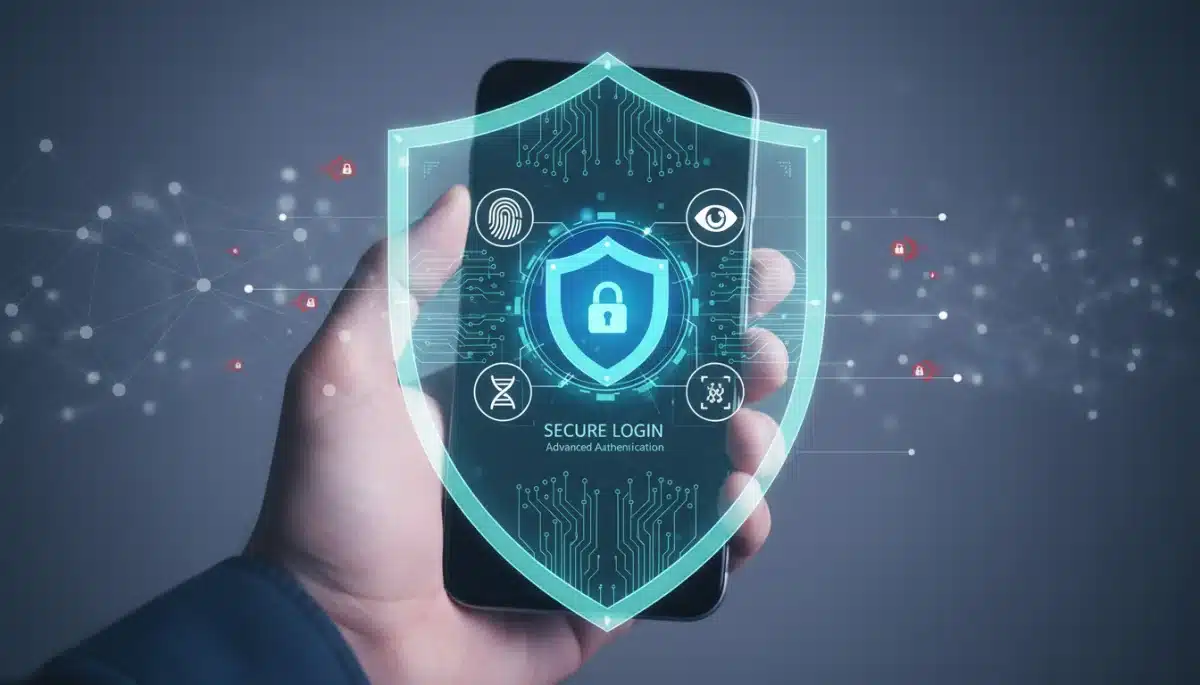
- Biometric authentication: Utilize facial recognition, fingerprint scans, or voice recognition where available. These methods are inherently more secure than passwords.
- Hardware security keys: Physical security keys (e.g., FIDO U2F) provide the strongest form of two-factor authentication, as they are resistant to phishing and man-in-the-middle attacks.
- Authenticator apps: Use dedicated authenticator apps (e.g., Google Authenticator, Authy) for time-based one-time passwords (TOTP) instead of SMS-based 2FA, which is vulnerable to SIM swap attacks.
Regularly review and update your authentication settings across all your important digital accounts. Prioritize accounts holding sensitive financial or personal information for the strongest authentication methods.
Regular software and system updates
Keeping your operating systems, applications, and antivirus software up-to-date is a fundamental yet often overlooked aspect of security. Software updates frequently include patches for newly discovered vulnerabilities that fraudsters could exploit.
Enable automatic updates whenever possible to ensure your devices are always running the most secure versions of their software. This applies to your smartphone, tablet, computer, and even smart home devices, as each can be a potential entry point for attackers. Outdated software is a common gateway for malware and ransomware, which can lead to account compromise.
Recognizing the red flags: common indicators of fraud attempts
Even with the most advanced security measures, human vigilance remains a critical component of digital account fraud prevention. Learning to recognize the subtle and not-so-subtle signs of a fraud attempt can prevent you from becoming a victim.
Fraudsters often rely on urgency, fear, or greed to bypass rational thought. By understanding their common tactics, you can better equip yourself to identify and avoid scams.
Unusual communication patterns
Be wary of any communication that deviates from the norm, whether it’s an email, text message, or phone call. This includes:
- Unexpected requests: Any unsolicited request for personal information, account details, or money, especially if it claims to be from a bank, government agency, or reputable company.
- Urgent or threatening language: Scammers often create a sense of urgency or threaten negative consequences (e.g., account suspension, legal action) to pressure you into acting without thinking.
- Grammar and spelling errors: While not foolproof, many phishing attempts still contain noticeable errors that legitimate organizations would not make.
- Suspicious links or attachments: Hover over links to check their actual destination before clicking. Never open attachments from unknown or suspicious senders.
Always take a moment to pause and verify the legitimacy of any suspicious communication. Contact the organization directly using official contact information, not the details provided in the suspicious message.
Unexplained account activity
Regularly monitoring your bank statements, credit card transactions, and other digital account activities is a non-negotiable aspect of fraud detection. Early detection can minimize damage and expedite recovery.
Set up transaction alerts for all your financial accounts. Many banks offer real-time notifications for purchases, withdrawals, or login attempts. If you notice any unauthorized transactions, even small ones, report them immediately to your financial institution. Small, test transactions are often a precursor to larger fraudulent activities. Prompt action is key to containing potential breaches and preventing further financial loss.
The role of financial institutions in fraud prevention
While individual responsibility is crucial, financial institutions play an equally vital role in digital account fraud prevention. They are continually investing in advanced technologies and protocols to protect their customers.
These institutions leverage sophisticated systems to detect and mitigate fraud, but their efforts are most effective when combined with informed customer behavior. It’s a collaborative effort to maintain a secure digital ecosystem.
AI and machine learning in fraud detection
Banks and other financial service providers are increasingly deploying AI and machine learning algorithms to analyze vast amounts of transaction data in real-time. These systems can identify unusual spending patterns, geographic anomalies, and other indicators of fraudulent activity far more quickly and accurately than human analysts.
This proactive detection allows institutions to freeze suspicious transactions or accounts before significant damage occurs, thereby protecting customers from financial loss. The continuous learning capabilities of these AI systems mean they adapt to new fraud patterns as they emerge, providing an evolving defense.
Enhanced customer verification processes
Financial institutions are also enhancing their customer verification processes, particularly for sensitive actions like password resets, large transfers, or adding new beneficiaries. This includes:
- Multi-factor authentication (MFA): Beyond simple passwords, banks are implementing stronger MFA requirements for online banking.
- Behavioral biometrics: Analyzing how a user interacts with their device (typing speed, mouse movements) to detect if an account is being accessed by the legitimate owner or a fraudster.
- Out-of-band verification: Requiring verification through a separate communication channel (e.g., a phone call to a registered number) for high-risk transactions.
These measures add friction but significantly increase the security of your accounts. While they might seem inconvenient at times, they are essential safeguards against sophisticated fraud attempts.
Future trends in digital account security and personal responsibility
Looking beyond 2026, the trajectory of digital account security points towards even more integrated and intelligent defense mechanisms. However, personal responsibility will remain the cornerstone of effective digital account fraud prevention.
The future will demand a deeper understanding of digital hygiene and a willingness to embrace new security technologies as they become available. It’s a continuous journey of learning and adaptation.
Decentralized identity and blockchain technology
Emerging technologies like blockchain are being explored for decentralized identity solutions. This could allow individuals to control their digital identity, sharing only necessary information with service providers, reducing the risk of large-scale data breaches that compromise multiple accounts. While still in early adoption, decentralized identity promises a more secure and private way to interact online.
These systems aim to shift power from centralized entities to individual users, making it harder for a single point of failure to expose personal data. As these technologies mature, they could fundamentally reshape how we protect our digital accounts.
Continuous education and awareness
The most sophisticated technology is only as strong as its weakest link, which often turns out to be human error. Continuous education about the latest scam tactics, security best practices, and the importance of digital hygiene is paramount. This means staying informed through reputable sources, attending webinars, and sharing knowledge within your community.
A well-informed user base is the strongest defense against social engineering attacks. Being skeptical, verifying information, and never rushing into decisions are timeless principles that remain highly effective in the face of evolving digital threats. Your active participation in your own security is irreplaceable.
| Key Point | Brief Description |
|---|---|
| Evolving Threats | Fraudsters use AI for advanced phishing, deepfakes, and automated scam campaigns. |
| New Scams | Watch for QR code phishing (Quishing) and sophisticated SIM swap fraud 2.0. |
| Strong Defenses | Implement biometrics, hardware keys, authenticator apps, and keep software updated. |
| Vigilance | Recognize unusual communication, monitor account activity, and verify requests. |
Frequently asked questions about digital account fraud prevention
The biggest new threats include AI-powered phishing and social engineering, which create highly convincing and personalized scam attempts. QR code phishing (Quishing) and advanced SIM swap fraud 2.0 are also significant concerns that exploit trust and bypass traditional security measures.
To protect against AI-powered phishing, always verify unexpected requests through independent channels. Be skeptical of urgent or emotionally manipulative messages. Never click suspicious links or download attachments without confirming the sender’s legitimacy directly, even if the communication appears highly personalized.
SMS-based two-factor authentication is vulnerable to SIM swap fraud. Fraudsters can trick mobile carriers into porting your phone number to their SIM card, thereby intercepting your SMS-based authentication codes. Hardware security keys or authenticator apps offer a more robust and secure alternative for 2FA.
Financial institutions utilize advanced AI and machine learning for real-time fraud detection, identifying unusual transaction patterns. They also implement enhanced customer verification processes, including stronger multi-factor authentication and behavioral biometrics, to secure accounts against unauthorized access and fraudulent activities.
Your personal responsibility involves continuous education about new scams, practicing good digital hygiene, and maintaining vigilance. Regularly monitor account activity, be wary of unusual communications, and always verify information. Adopting a skeptical mindset is crucial to avoid falling victim to sophisticated social engineering tactics.
Conclusion
The battle against digital account fraud in 2026 is a dynamic and ongoing one, demanding constant vigilance and adaptation. As fraudsters leverage cutting-edge technologies like AI to refine their attacks, individuals must embrace advanced security measures and cultivate a critical approach to digital interactions. By understanding the evolving threat landscape, recognizing new scam methodologies, strengthening personal defenses, and leveraging the robust security efforts of financial institutions, we can collectively build a more secure digital future. Staying informed and proactive is not merely an option, but a necessity to safeguard our financial well-being and digital identities in this ever-changing environment.
