Digital Accounts Safer? 2026 Data Breach Analysis for US
Anúncios
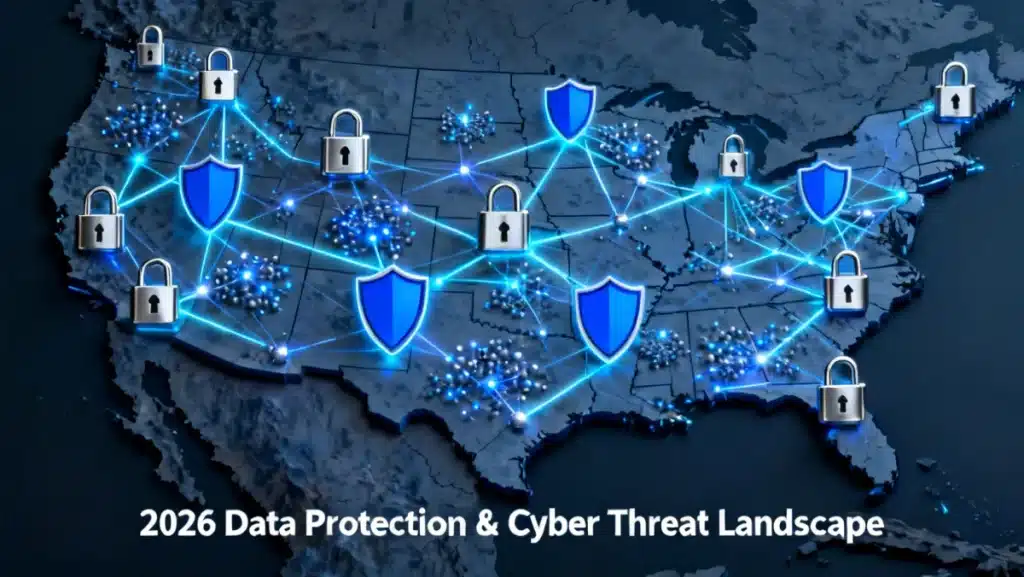
Are digital accounts safer? This is a question many US consumers ponder as we navigate the complexities of 2026’s digital landscape, where financial transactions and personal data increasingly reside online.
Anúncios
Understanding the Evolving Threat Landscape in 2026
The digital world of 2026 is characterized by both unprecedented convenience and persistent threats. As more aspects of our lives, from banking to healthcare, transition online, the security of digital accounts becomes paramount. This section delves into the current state of cyber threats faced by US consumers.
The Rise of Sophisticated Cyberattacks
Cybercriminals are constantly refining their tactics, moving beyond simple phishing attempts to highly sophisticated attacks. These include advanced persistent threats (APTs), supply chain attacks, and increasingly potent forms of ransomware, designed to exploit vulnerabilities in complex digital ecosystems.
Anúncios
- Phishing and Social Engineering: Still prevalent, but more targeted and convincing, often leveraging AI-generated content.
- Ransomware as a Service (RaaS): A growing trend where ransomware tools are offered as a service, lowering the barrier to entry for attackers.
- Supply Chain Attacks: Targeting software vendors to compromise multiple downstream users simultaneously, proving highly effective.
- Data Brokers and Third-Party Risks: The interconnectedness of data means a breach at one service provider can expose data held by many others.
Impact of AI on Cybersecurity
Artificial intelligence is a double-edged sword in cybersecurity. While it empowers defenders with advanced threat detection and response capabilities, it also provides attackers with tools to automate and scale their malicious activities. This includes AI-powered phishing campaigns that generate highly personalized and believable messages, and AI-driven malware that can adapt to evade detection.
The constant arms race between cyber defenders and attackers means that security measures must be dynamic and adaptive. Stagnant security protocols are quickly rendered obsolete, highlighting the need for continuous innovation and vigilance in protecting digital accounts.
Analyzing Data Breach Trends for US Consumers
Data breaches remain a significant concern for US consumers in 2026. This section examines the prevalent types of breaches, the industries most affected, and the far-reaching consequences for individuals.
Prevalent Types of Data Breaches
While various attack vectors exist, a few types consistently dominate the data breach landscape. These often involve a combination of human error, system vulnerabilities, and sophisticated cybercriminal tactics.
- Credential Stuffing: Attackers use previously stolen usernames and passwords to gain unauthorized access to other accounts.
- Cloud Misconfigurations: Errors in setting up cloud services can expose sensitive data to the public internet or unauthorized parties.
- Insider Threats: Malicious or negligent actions by current or former employees can lead to significant data loss.
- Third-Party Vendor Breaches: Compromises at service providers that handle consumer data for various businesses.
Industries Most Affected
Certain sectors, due to the volume and sensitivity of the data they handle, are consistently targeted. Financial services, healthcare, and retail continue to be prime targets for cybercriminals seeking valuable personal and financial information.
Beyond these traditional targets, emerging industries like fintech and proptech, which often deal with large datasets and new technologies, are also seeing an uptick in breach attempts. The rapid pace of innovation in these sectors can sometimes outpace the implementation of robust security frameworks.
Consequences for Consumers
The aftermath of a data breach can be devastating for consumers. Beyond the immediate inconvenience of changing passwords, individuals face the risk of identity theft, financial fraud, and long-term damage to their credit scores. The emotional toll of having personal information exposed can also be significant.
In 2026, many US states have enacted stricter data breach notification laws, providing consumers with more transparency and recourse. However, proactive measures and ongoing vigilance remain the best defense against the pervasive threat of data breaches.
Security Measures: Traditional vs. Digital Accounts
Comparing the security postures of traditional and digital accounts reveals distinct advantages and disadvantages for each. This analysis helps consumers understand where their data might be more vulnerable.
Traditional Banking Security
Traditional banks have long-established security protocols, often relying on a combination of physical security, regulatory compliance, and a more structured, slower-moving technological environment. While this can sometimes mean slower adoption of cutting-edge tech, it also implies a mature risk management framework.
- Physical Security: Vaults, secure branches, and armed guards protect physical assets.
- Regulatory Frameworks: Adherence to strict federal and state banking regulations, such as FDIC insurance and consumer protection laws.
- Established Fraud Detection: Sophisticated systems developed over decades to detect and prevent financial fraud.
Digital Account Security
Digital accounts, encompassing everything from online-only banks to fintech apps and e-commerce platforms, leverage technology for both convenience and security. Their agility allows for rapid deployment of new security features, but also introduces new attack surfaces.
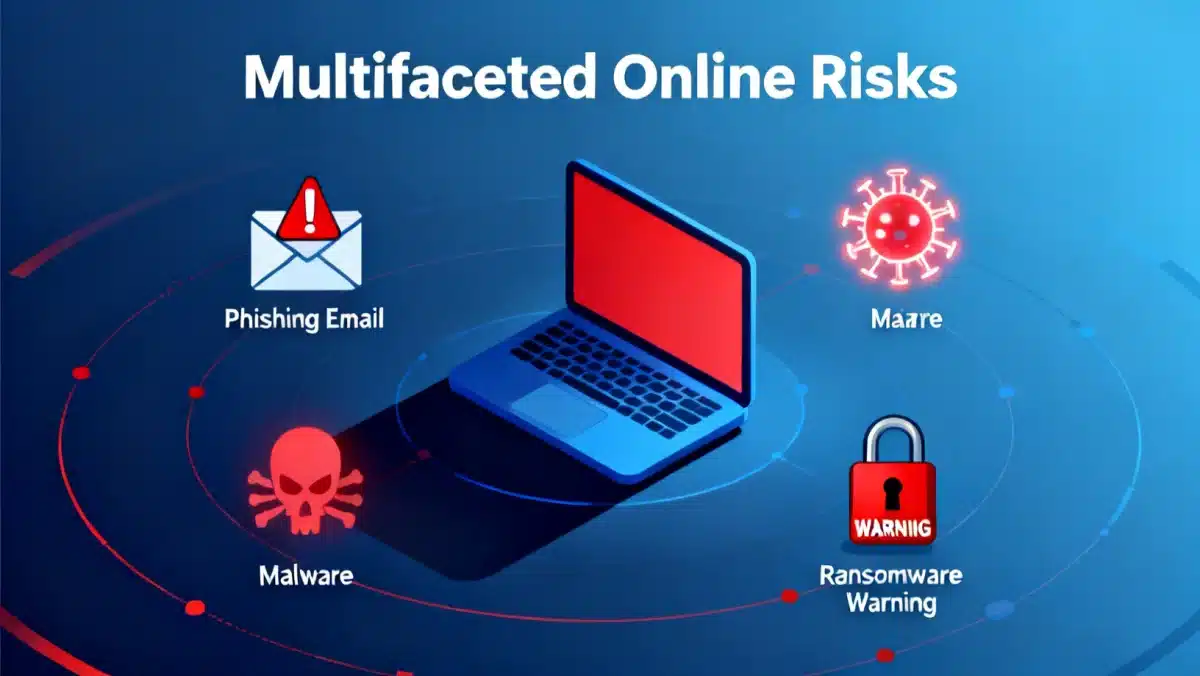
Key security features often found in digital accounts include multi-factor authentication (MFA), end-to-end encryption, and real-time fraud monitoring powered by AI. However, the reliance on internet connectivity and the constant processing of vast amounts of data mean that vulnerabilities can arise from software glitches, third-party integrations, and user behavior.
While traditional institutions might be slower to react to new cyber threats, their foundational security layers are often robust. Digital accounts, conversely, offer rapid iteration and state-of-the-art defenses, but their newer infrastructure can sometimes present unforeseen vulnerabilities.
The Role of Multi-Factor Authentication (MFA) and Encryption
In the ongoing battle for digital account security, Multi-Factor Authentication (MFA) and encryption stand out as critical defenses. Their widespread adoption is transforming how consumers protect their online identities and data.
Strengthening Defenses with MFA
MFA adds crucial layers of security beyond just a password. By requiring two or more verification factors, it significantly reduces the risk of unauthorized access even if a password is stolen. The most common forms include:
- Something you know: Password or PIN.
- Something you have: A physical token, smartphone with an authenticator app, or a security key.
- Something you are: Biometric data like fingerprints or facial recognition.
The shift towards stronger MFA methods, particularly those leveraging biometrics or hardware tokens, is making it much harder for attackers to compromise accounts. Many financial institutions and digital service providers are now making MFA mandatory, recognizing its effectiveness against credential-based attacks.
The Power of Encryption
Encryption is the bedrock of secure data transmission and storage. It transforms data into a coded format, rendering it unreadable to unauthorized parties. In 2026, advanced encryption standards are applied across various digital touchpoints.
From end-to-end encryption in messaging apps to encrypted databases storing consumer financial information, this technology ensures that even if data is intercepted, it remains unintelligible. Quantum-resistant encryption is also gaining traction, anticipating future threats from quantum computing.
The combination of robust MFA and strong encryption protocols forms a formidable defense against many common cyber threats, making digital accounts significantly more resilient when these technologies are fully implemented and properly managed.
Regulatory Landscape and Consumer Protection in 2026
The regulatory environment plays a crucial role in shaping the security of digital accounts and protecting US consumers. In 2026, a dynamic set of laws and guidelines aims to enhance data privacy and cybersecurity standards.
Key Regulations and Acts
- Federal Trade Commission (FTC) Act: Empowers the FTC to take action against unfair or deceptive practices, including inadequate data security.
- State Privacy Laws (e.g., CCPA, CPRA): California’s pioneering laws have inspired similar legislation across other states, granting consumers more control over their personal data.
- Gramm-Leach-Bliley Act (GLBA): Specifically targets financial institutions, requiring them to explain their information-sharing practices to customers and safeguard sensitive data.
- Cybersecurity and Infrastructure Security Agency (CISA): Plays a vital role in coordinating cybersecurity efforts across the federal government and with private sector partners.
Enforcement and Compliance
Regulatory bodies are increasing their enforcement actions against companies that fail to protect consumer data adequately. Non-compliance can result in substantial fines, reputational damage, and loss of consumer trust. This increased scrutiny incentivizes businesses to invest more heavily in cybersecurity infrastructure and practices.
For consumers, these regulations provide a framework for redress and empower them with rights regarding their data. Understanding these rights and the responsibilities of companies can help individuals make informed decisions about where and how they use digital accounts.
Best Practices for Securing Your Digital Accounts
While institutions bear the primary responsibility for securing digital accounts, consumers also have a critical role to play. Adopting best practices can significantly enhance personal online safety in 2026.
Proactive Security Measures
Taking a proactive approach to cybersecurity is essential. This involves regularly reviewing and updating your security habits and tools.
- Strong, Unique Passwords: Use complex passwords for each account, preferably generated and stored by a reputable password manager.
- Enable Multi-Factor Authentication (MFA): Always activate MFA wherever available, opting for app-based authenticators or hardware keys over SMS codes.
- Regular Software Updates: Keep operating systems, browsers, and applications updated to patch security vulnerabilities.
- Be Wary of Phishing: Scrutinize emails and messages for suspicious links or requests for personal information.
Monitoring and Response
Even with the best precautions, breaches can occur. Knowing how to monitor your accounts and respond effectively is crucial.
Regularly check your bank and credit card statements for any unauthorized activity. Utilize credit monitoring services, many of which are offered free after a data breach. Be prepared to act quickly if you suspect your account has been compromised, by changing passwords and notifying the affected service provider.
By combining institutional security with individual diligence, consumers can significantly improve the safety of their digital accounts in an increasingly interconnected world. Staying informed about the latest threats and best practices is a continuous process that empowers users in the digital age.
| Key Aspect | Brief Description |
|---|---|
| Threat Landscape 2026 | Advanced phishing, ransomware, and AI-driven attacks challenge digital account security. |
| Data Breach Trends | Credential stuffing, cloud misconfigurations, and third-party vendor breaches are common risks. |
| Security Comparison | Digital accounts leverage MFA and encryption; traditional banks rely on mature regulatory frameworks. |
| Consumer Protection | Regulations like GLBA and state privacy laws aim to enhance data security and consumer rights. |
Frequently Asked Questions About Digital Account Safety
Not necessarily. While digital accounts face unique online threats, they also often employ advanced security features like multi-factor authentication and real-time fraud detection. Traditional banks have established protocols, but both depend on robust implementation and user vigilance to maintain security.
In 2026, common breaches include credential stuffing, where stolen login details are reused; cloud misconfigurations; and supply chain attacks targeting software vendors. Phishing remains a significant threat, often enhanced by AI to appear more legitimate and personalized.
MFA adds layers of verification beyond just a password, typically requiring something you know (password), something you have (phone/token), and/or something you are (biometrics). This makes it significantly harder for unauthorized users to access accounts, even if they obtain your password.
Regulations like the GLBA and various state privacy laws (e.g., CCPA) mandate specific data security practices for businesses and provide consumers with rights regarding their data. These laws aim to hold companies accountable and ensure a baseline level of protection for digital accounts.
Consumers should use strong, unique passwords with a password manager, enable MFA everywhere, keep software updated, and be highly suspicious of unsolicited communications. Regularly monitoring account activity and understanding data breach response protocols are also crucial.
Conclusion
The question of whether digital accounts are inherently safer in 2026 is nuanced. While they leverage sophisticated security technologies like MFA and advanced encryption, the evolving landscape of cyber threats, powered in part by AI, presents continuous challenges. Both traditional and digital financial institutions are under immense pressure to protect consumer data, bolstered by a growing body of regulations. Ultimately, the safety of digital accounts hinges on a combination of robust institutional security measures, vigilant regulatory oversight, and empowered, informed consumers who actively practice strong cybersecurity hygiene. The journey towards absolute digital security is ongoing, demanding perpetual adaptation and collaboration from all stakeholders.
