Credit Card Skimming Protection 2026: What to Watch For
Anúncios
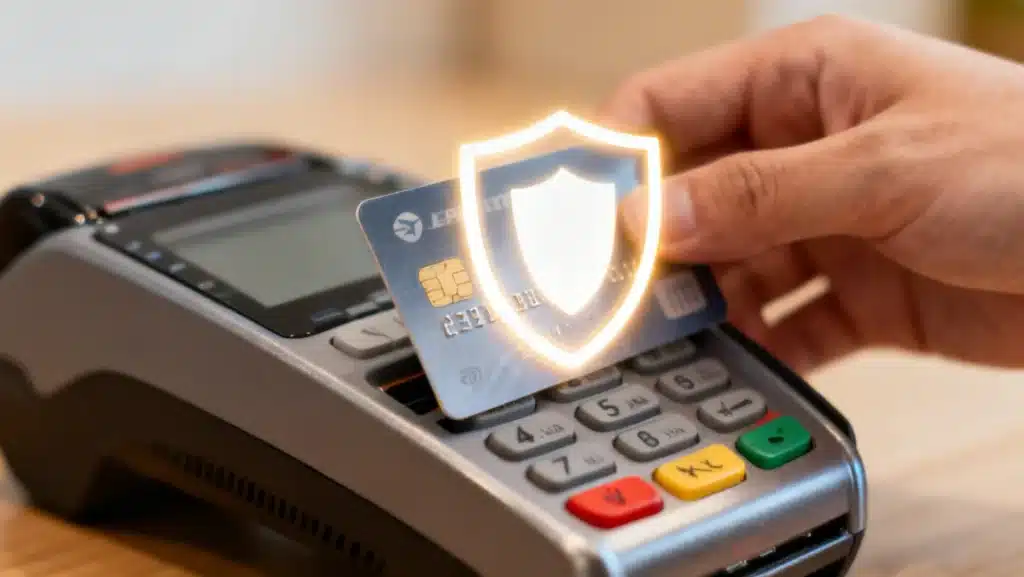
In 2026, credit card skimming protection is evolving rapidly, with new technologies like AI-driven analytics, enhanced EMV, and robust contactless payment security becoming critical to safeguard consumer transactions against increasingly sophisticated threats.
Anúncios
As we navigate the complexities of 2026, understanding credit card skimming protection 2026 is more crucial than ever. The landscape of financial fraud is constantly shifting, and staying informed is your first line of defense. This article delves into the cutting-edge strategies and technologies designed to keep your card information safe from evolving skimming threats.
Anúncios
The evolving threat of credit card skimming in 2026
Credit card skimming has been a persistent threat for decades, but in 2026, the methods employed by fraudsters are more sophisticated than ever. Gone are the days of simple overlays on gas pumps; today’s skimmers are often miniature, wireless, and nearly undetectable. This evolution demands a proactive and informed approach from both consumers and financial institutions.
The digital age has brought convenience, but also new avenues for criminal activity. Skimmers can now be found in unexpected places, from point-of-sale systems to ATMs and even handheld devices used by unscrupulous individuals. The speed at which these devices can capture and transmit data means a single compromised terminal can expose thousands of cardholders in a matter of hours.
Understanding modern skimming techniques
Modern skimming isn’t just about physical devices. Fraudsters are increasingly leveraging digital methods that don’t require physical access to a card reader. This includes malware injected into payment systems and even sophisticated phishing schemes that trick users into revealing card details. The goal remains the same: illegally obtain your financial information.
- Deep Insert Skimmers: These devices are hidden deep within card readers, making them virtually invisible to the casual observer.
- Bluetooth Skimmers: Transmit stolen data wirelessly, allowing criminals to collect information from a safe distance.
- Software Skimmers (Magecart attacks): Malicious code injected into e-commerce websites to capture payment details during online transactions.
Staying vigilant and understanding these varied threats is the cornerstone of effective credit card skimming protection. As criminals adapt, so too must our defenses, relying on both technological advancements and heightened consumer awareness.
Enhanced EMV chip technology: A stronger shield
The EMV chip, initially introduced as a significant deterrent to counterfeit card fraud, continues to evolve in 2026, offering enhanced layers of protection against skimming. While not impervious to all forms of fraud, the advancements in EMV technology make it significantly harder for traditional skimmers to capture usable card data.
The core strength of EMV lies in its dynamic data generation. Each transaction creates a unique cryptogram, rendering stolen static card data useless for subsequent transactions. This makes it incredibly difficult for skimmers to clone cards successfully. In 2026, we see further refinements, including faster processing and more robust encryption algorithms within the chip itself.
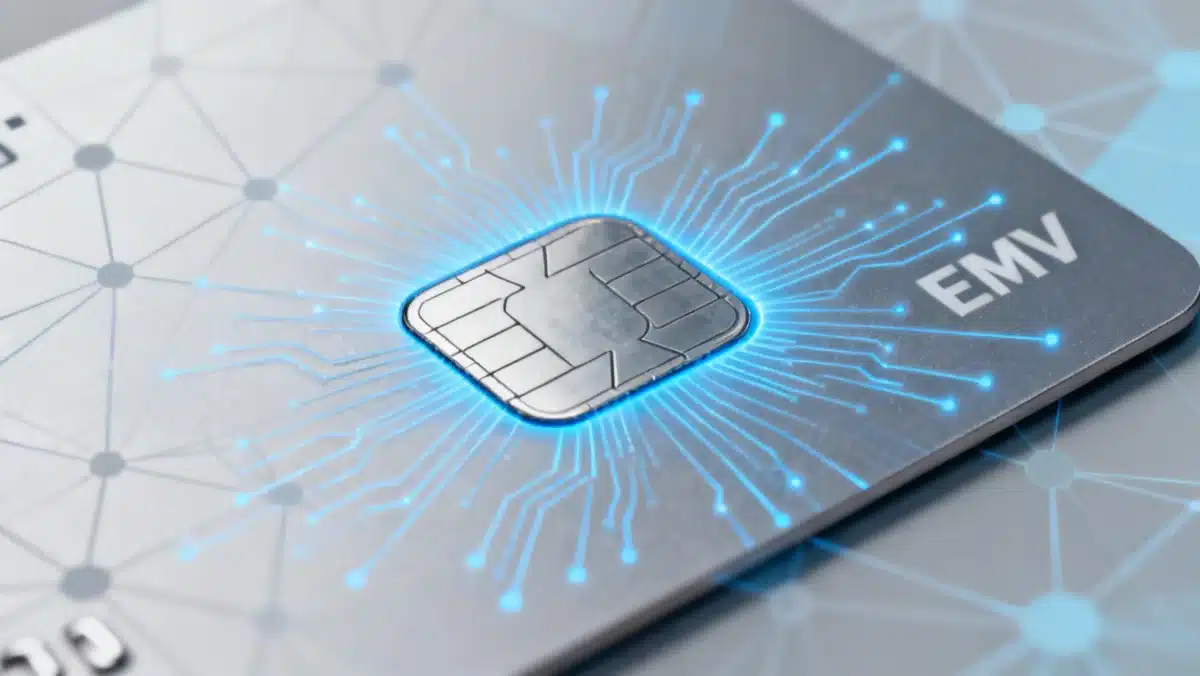
Newer EMV chips are also being designed with integrated biometric capabilities, such as fingerprint authentication, adding another layer of security at the point of sale. This innovation aims to prevent unauthorized use even if a card’s physical data were somehow compromised, making transactions more secure than ever.
Beyond the basic chip: What’s new?
The EMV standard isn’t static; it’s a living protocol that adapts to new threats. For 2026, expect to see:
- Tokenization at the chip level: Further decoupling transaction data from actual card numbers, reducing the value of intercepted information.
- Enhanced cryptographic keys: More complex and frequently updated keys to prevent brute-force attacks on chip data.
- Faster transaction speeds: Addressing previous concerns about EMV transactions being slower, encouraging wider adoption and use.
These improvements solidify the EMV chip’s role as a fundamental component of credit card skimming protection 2026, providing a more secure foundation for in-person transactions and building consumer confidence.
The rise of contactless payments and their security implications
Contactless payment methods, such as tap-to-pay with cards or mobile wallets, have seen an explosion in popularity, and for good reason. They offer speed, convenience, and, crucially, a significant boost in security against traditional skimming methods. In 2026, contactless payments are becoming the preferred transaction method for many, further shaping the landscape of fraud prevention.
The security of contactless payments stems from several key features. Like EMV chip transactions, they use dynamic encryption, meaning each transaction generates a unique code. This code is only valid for that single purchase, making it impossible for fraudsters to reuse stolen data for future transactions. Furthermore, the limited range of NFC (Near Field Communication) technology makes it difficult for criminals to covertly capture data from a distance.
Mobile payment apps, like Apple Pay and Google Pay, add an extra layer of security through device-specific tokenization. When you add your card to a mobile wallet, your actual card number is replaced with a unique token. This token is then used for transactions, meaning your real card details are never transmitted or stored by the merchant, greatly reducing the risk of data compromise.
Protecting your tap-and-go transactions
While inherently more secure, understanding best practices for contactless payments is still important:
- Monitor your statements: Regularly check your bank and credit card statements for any unauthorized transactions.
- Use secure devices: Ensure your smartphone or wearable device is updated with the latest security patches.
- Be aware of your surroundings: Although rare, be mindful of unusually close individuals attempting to scan your card or device.
The widespread adoption and continued security enhancements of contactless payment systems are pivotal in the ongoing fight against skimming, offering consumers a safer, more efficient way to conduct transactions in 2026.
AI and machine learning: Proactive fraud detection
Artificial Intelligence (AI) and machine learning (ML) are transforming the fight against credit card fraud, moving from reactive responses to proactive detection and prevention. In 2026, these advanced technologies are at the forefront of credit card skimming protection 2026, enabling financial institutions to identify and thwart fraudulent activities with unprecedented speed and accuracy.
AI-powered systems analyze vast amounts of transaction data in real-time, looking for anomalies and patterns that could indicate skimming or fraudulent use. This includes unusual spending habits, transactions in unfamiliar locations, or atypical purchase amounts. Unlike traditional rule-based systems, AI can learn and adapt to new fraud techniques, making it incredibly effective against evolving threats.
Machine learning algorithms are trained on historical data of both legitimate and fraudulent transactions. This allows them to build sophisticated models that can predict the likelihood of fraud in a given transaction. When a suspicious pattern is detected, the system can automatically flag the transaction, decline it, or alert the cardholder, often before any significant damage occurs.
How AI and ML enhance security:
- Real-time anomaly detection: Instantly identifies deviations from normal spending patterns.
- Predictive analytics: Forecasts potential fraud hotspots and new skimming methods based on emerging trends.
- Reduced false positives: Continuously refines its understanding of legitimate behavior, minimizing inconvenience for consumers.
The integration of AI and ML into fraud detection systems represents a significant leap forward, providing a dynamic and intelligent defense against the ever-present threat of credit card skimming.
Consumer vigilance: Your role in preventing skimming
While technology plays a massive role in credit card skimming protection 2026, consumer vigilance remains an indispensable component. No amount of advanced technology can fully protect you if you are not aware of the risks and proactive in your own security measures. Your actions at the point of sale and in managing your accounts are critical.
One of the simplest yet most effective measures is to regularly inspect card readers. Before swiping or inserting your card at an ATM, gas pump, or POS terminal, give it a quick visual check. Look for anything that seems loose, bulky, or out of place. Skimmers are often designed to blend in, but a careful eye can sometimes spot discrepancies.
Another crucial habit is to shield your PIN when entering it. Even if a skimmer captures your card data, a PIN is often required to complete transactions. Covering the keypad with your hand makes it significantly harder for hidden cameras to record your entry. This simple act can prevent criminals from gaining full access to your funds.
Essential consumer practices for 2026:
- Inspect card readers: Check for anything unusual or loose on ATMs, gas pumps, and POS terminals.
- Shield your PIN: Always cover the keypad when entering your Personal Identification Number.
- Monitor bank statements: Regularly review transactions for any unauthorized activity.
- Set up transaction alerts: Receive instant notifications for purchases, allowing for quick fraud detection.
By adopting these practices, consumers empower themselves and add a vital human element to the layered defenses against credit card skimming.
Future trends in payment security and anti-skimming measures
Looking ahead to the rest of 2026 and beyond, the landscape of payment security is set to evolve even further, bringing new anti-skimming measures and technologies into play. The constant cat-and-mouse game between fraudsters and security experts drives innovation, promising even more robust protections for consumers.
One significant trend expected to gain more traction is biometric authentication. Fingerprint scans, facial recognition, and even iris scans are becoming more common in high-security transactions. These methods offer an unparalleled level of user verification, making it nearly impossible for a stolen card or card data to be used without the legitimate owner’s physical presence or consent.
The integration of blockchain technology into payment systems is also on the horizon. While still in its nascent stages for mainstream payment processing, blockchain offers a decentralized, immutable ledger for transactions. This could significantly enhance security by making it incredibly difficult to tamper with transaction records or intercept data without detection.
Emerging technologies and strategies:
- Behavioral biometrics: Analyzing unique user behaviors like typing patterns or mouse movements to authenticate identity.
- Quantum-resistant cryptography: Developing encryption methods capable of withstanding attacks from future quantum computers.
- Dynamic CVV/CVC codes: Codes that change periodically, making stolen card details less valuable over time.
These future trends highlight a commitment to staying ahead of criminal activities, ensuring that credit card skimming protection 2026 continues to adapt and strengthen in an increasingly digital world.
| Key Protection | Brief Description |
|---|---|
| Enhanced EMV Chips | Dynamic data generation and advanced encryption make card cloning extremely difficult. |
| Contactless Payments | Uses tokenization and unique transaction codes, reducing physical skimming risk. |
| AI/ML Detection | Real-time analysis of transaction patterns to proactively identify and prevent fraud. |
| Consumer Vigilance | Inspecting readers, shielding PINs, and monitoring statements are crucial personal defenses. |
Frequently asked questions about credit card skimming protection in 2026
In 2026, AI and machine learning-driven fraud detection systems are proving to be the most effective new technology. They analyze vast transaction data in real-time to identify anomalous patterns indicative of skimming attempts, often preventing fraud before it impacts the consumer.
Contactless payments are significantly safer from traditional physical skimming methods due to dynamic encryption and tokenization. However, no system is 100% foolproof, so maintaining general vigilance and monitoring transactions is still recommended for optimal security.
At gas stations, always check the card reader for loose parts, unusual attachments, or tampered seals. Wiggle the card slot to see if anything feels out of place. Also, prefer paying inside or using mobile payment options if available, and always shield your PIN.
If you suspect skimming, immediately contact your bank or credit card issuer to report the potential fraud. They can cancel your card, issue a new one, and initiate an investigation. Regularly review your transaction history for any unauthorized charges.
While enhanced EMV chip cards significantly reduce the risk of traditional skimming and counterfeit card fraud, they won’t eliminate all forms of skimming, especially digital or deep-insert varieties. EMV is a crucial layer, but it’s part of a broader security ecosystem that continuously evolves.
Conclusion
The landscape of credit card skimming protection 2026 is characterized by continuous innovation and a multi-layered approach to security. From advanced EMV chip technology and the growing adoption of secure contactless payments to the powerful analytical capabilities of AI and machine learning, the tools available to combat fraud are more sophisticated than ever. However, these technological advancements must be complemented by informed and vigilant consumers. By understanding the evolving threats and actively participating in personal security practices, individuals can significantly reduce their risk of falling victim to credit card skimming. Staying informed and proactive is our best defense in safeguarding financial security in the digital age.
